Stuart sits in an unusual spot even by Florida standards. The St. Lucie River wraps around much of the city, the Indian River Lagoon lies just east, and the Atlantic is only a short drive past that. Living this close to so much water is the whole appeal, yet it also means the air indoors carries salt, heat and moisture almost every day of the year. Kitchens feel it first, because that is where metal, wood, stone, water and electricity all crowd into one room.
Homeowners who choose materials for the climate first and the look second usually end up happier. Teams that handle kitchen remodeling in Stuart day to day tend to work that way, and n2kitchensandbaths.com is one example, a Florida licensed general contractor with a Port St. Lucie showroom where finishes can be handled in person and a free consultation held at the house itself rather than over a catalog. The four forces below explain why a kitchen that looks perfect in a design magazine can start fading, rusting or swelling within a couple of Treasure Coast summers.
Salt Finds Every Piece of Metal
Salt carried on the breeze settles as a fine film, and chloride is what breaks down the protective layer on stainless steel and plated finishes. Homes near the water show it in small ways long before anything fails outright.
Hardware and fixtures
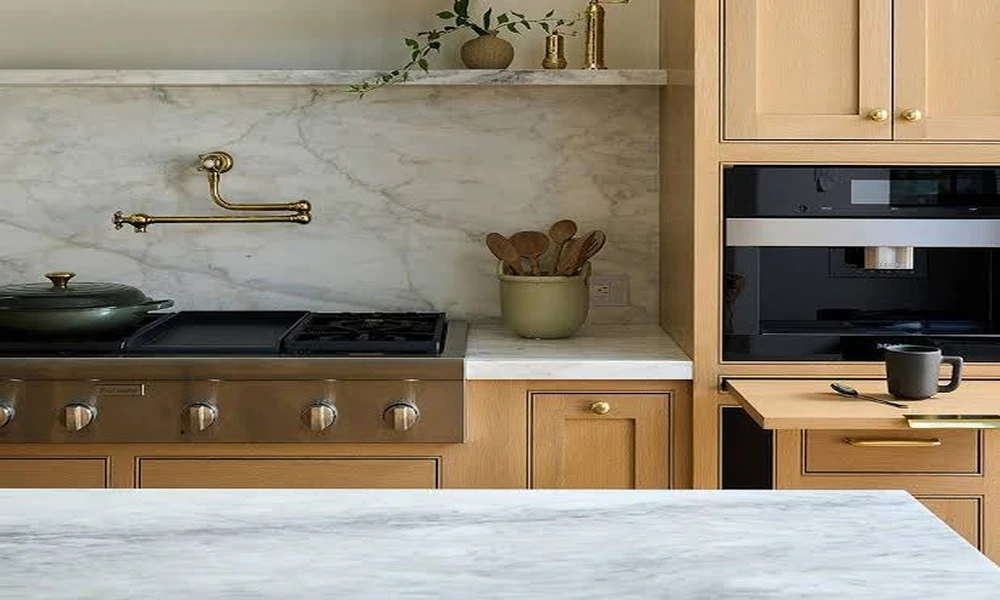
Cheap cabinet pulls are usually zinc alloy with a thin plated coating. Once that coating chips, they pit and flake. Solid brass, powder coated steel and stainless pulls hold up far better, and brass that is left unlacquered simply darkens into a patina rather than corroding. Faucets with solid brass bodies and quality PVD finishes resist the salty film better than chrome plated plastic.
Appliances and range hoods
Most appliance stainless is a grade called 304. It performs well indoors, but near the coast it can develop small rust freckles that look like tea stains. Grade 316 contains molybdenum, which gives it noticeably better resistance to chloride, so it is worth asking for on range hoods, sinks or outdoor kitchen pieces when it is offered. Whatever the grade, wiping stainless with a damp cloth every week or two removes salt before it has time to work.
Lighting
Recessed cans and under cabinet strips have small metal parts that corrode at the contacts. Fixtures rated for damp locations last longer in a kitchen that sits near open sliders.
Sun Pours Through Florida Glass
Strong subtropical light reaches deep into kitchens that open onto pools and lanais, and some materials do not appreciate it. The countertop decision is where this matters most, because a slab is expensive to replace. Here is how the common options tend to behave in direct sunlight.
- Granite is cut straight from stone and does not fade, which makes it a dependable choice beside large windows.
- Quartzite is also natural stone and handles UV well, though it still needs sealing.
- Porcelain slabs are fired at high heat, so their color holds steady even in harsh sun.
- Engineered quartz contains resin binders that can yellow or fade with steady UV exposure, and many manufacturers exclude sun damage from their warranties.
- Butcher block and stained woods lighten over time unless they are refinished regularly.
Flooring deserves the same thought. Luxury vinyl plank expands with heat, and a strip right in front of a west facing slider can buckle if installers did not leave proper gaps. Porcelain tile shrugs off both sun and spills. Low emissivity glass or a quality window film cuts the glare and slows fading across cabinets and floors alike.
Moisture Works Slowly but Never Stops
Humidity in Stuart routinely climbs above what wood products prefer. Cabinet boxes made from particleboard soak up water at the sink base and swell, while plywood boxes tolerate occasional drips far better. Painted doors stay stable when every edge is sealed, and five piece doors are built to let their center panels move with the seasons. Slab doors in solid wood, on the other hand, can warp.
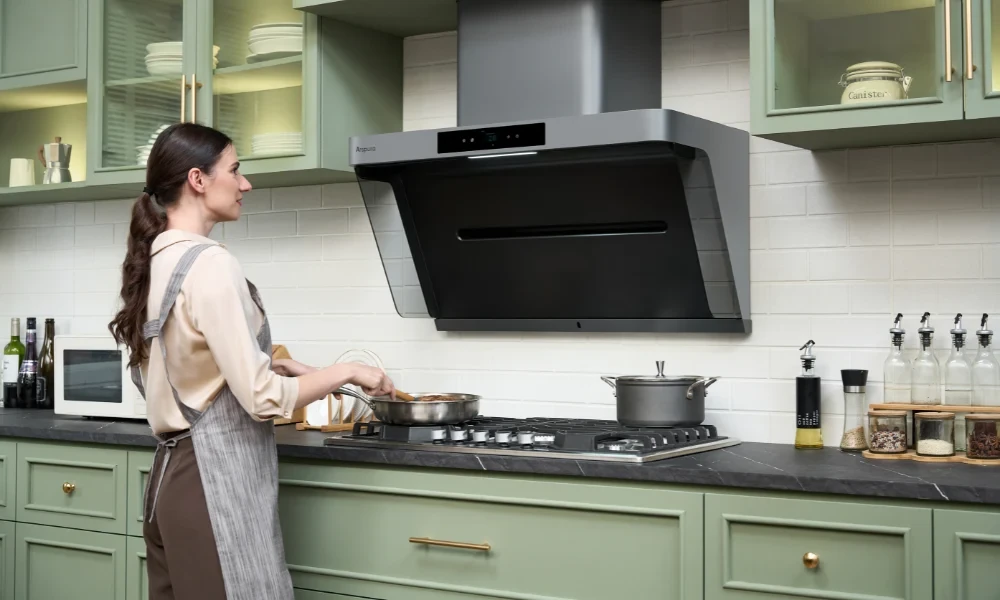
The range hood is the most overlooked moisture tool in any kitchen. Recirculating hoods filter grease but return all the steam to the room. A hood ducted outdoors actually removes it. Larger hoods move enough air that the Florida Building Code requires makeup air once exhaust passes 400 cubic feet per minute, which keeps the house from pulling humid outdoor air through every gap. The EPA’s guidance on mold and moisture recommends keeping indoor humidity below 60 percent and ideally between 30 and 50, and good ventilation in the kitchen goes a long way toward that target.
Small details close the remaining gaps. A leak sensor with automatic shutoff under the sink and behind the refrigerator catches a failed ice maker line before it ruins a floor. Epoxy grout behind the faucet and a full height backsplash protect the wall where water splashes most.
Storm Season Belongs in the Design
From June through November, a Stuart kitchen also has to function when the power goes out. That reality shapes decisions most design guides ignore. A gas cooktop can be lit by match during an outage, while an induction range needs a generator large enough to run it. Placing the refrigerator near a planned generator inlet circuit saves running cords through the house. A generous pantry holds the canned goods and water every household stocks before a storm, which keeps counters clear for actual cooking.
Windows in the kitchen wall carry their own rules. Replacing or enlarging one means meeting Florida’s wind load requirements, which usually points to impact rated glass with product approval. It adds cost and lead time, yet it also removes the need to drag shutters out every time a storm drifts toward the coast.
Pulling the Four Forces Together
A coastal kitchen does not need to look nautical or industrial to perform. It simply needs every choice weighed against salt, sun, moisture and storms before the color samples come out. Natural stone or porcelain on the counters, plywood boxes, a hood ducted to the outdoors and hardware that will not rust in the second year rarely cost dramatically more than the alternatives. What they save is the frustration of redoing work that was never matched to the place it was built.
The best way to start is often the plainest one. Walk through the current kitchen and note where the rust spots are, which cabinet doors have swollen, where the sun lands at four in the afternoon and which outlet the coffee maker trips during summer storms. That short tour reveals more about what the new kitchen needs than any trend report could.