Drive through Alamo Heights, Stone Oak or the older streets near Olmos Park and you’ll pass tile roofs that look almost exactly like they did the day they went on. The color has held, the curves still line up, and nothing from the curb suggests trouble. That’s why tile is so easy to misjudge. The part people admire from the street is rarely the part that fails.
A clay or concrete tile can sit in the sun for fifty years or more and barely change. What actually keeps water out of the house is a thin sheet under the tile, and that sheet ages much faster. In South Texas, where the space under a tile roof gets far hotter than the air on a July afternoon, that hidden layer often gives out decades before the tile does.
Roofers who work on Spanish, slate and cement tile across San Antonio run into this mismatch all the time. A crew like Saphire Custom Roofing llc, which handles tile along with standing seam metal, architectural shingles and flat TPO systems, will often describe a tile roof as two products sharing one deck, each wearing out on its own schedule. Once you look at it that way, it’s easier to read the warning signs and to know which repair makes sense.
Two Clocks Running on One Roof
Tile isn’t a sealed surface. The pieces overlap and interlock, and they shed most rain, but wind-driven water still gets under the laps, through gaps at hips and ridges, and around vents. Tile works more like armor and sunshade. The real waterproofing is the underlayment.
On homes built in the eighties and nineties, that underlayment is usually heavy organic felt, sometimes two layers. Newer roofs tend to use synthetic sheets or self adhering membranes made from modified bitumen, and some are rated for the high temperatures that build up under tile. Felt doesn’t fail suddenly. It dries out, shrinks, curls at the edges and gets brittle, and every nail holding a batten or tile becomes a small hole for water to find.
How the Hidden Layer Ages, Decade by Decade
The first ten years
During the first ten years almost nothing shows. The underlayment is flexible, the flashing is tight, and the mortar or foam holding the ridge caps is still bonded. Any problems in this stretch usually trace back to installation, such as a valley that was cut short or a pipe boot that was never sealed properly.
Years ten to twenty
During the second decade, heat starts to show its effects. Summer after summer under hot tile slowly drives the oils out of asphalt-based felt. Leaves and needles build up in valleys and behind chimneys, and they hold moisture against the layer that’s supposed to stay dry. Mortar at the ridge starts to crack and fall away in pieces.
Twenty years and beyond
After about twenty years, many original underlayments are at the end of their working life, especially the felt types. Water that slips past the tile now soaks into the felt instead of running over it and out at the eave. The tiles above can still look perfect.
Clues That Show Up Before the Ceiling Stain
A water spot on the living room ceiling usually means the problem has been building for a while. There are earlier signs, and most of them are easy to spot if you know where to look.
- Dark stains or soft spots on the underside of the roof decking when you look up from the attic with a flashlight
- Rusty nail tips poking through the decking, which point to steady condensation or slow leaks
- A musty smell in the attic after a rain, even when no drip is visible
- Tiles that have slipped down the slope, leaving a gap where the layer below is exposed to sunlight
- Black, crumbling material visible at the eave edge or where a tile has cracked
- Piles of debris in valleys that stay damp for days after a storm
None of these alone means the roof is done. Two or three together on a roof over twenty years old usually deserve a closer inspection.
When Hail Gets Involved
San Antonio knows how much damage hail can do. On April 12, 2016, a supercell crossed the north side of the city and dropped stones up to 4.5 inches across, and the National Weather Service summary of that storm maps the swath across Bexar County. Insured losses ran well over a billion dollars, much of it from roofs.
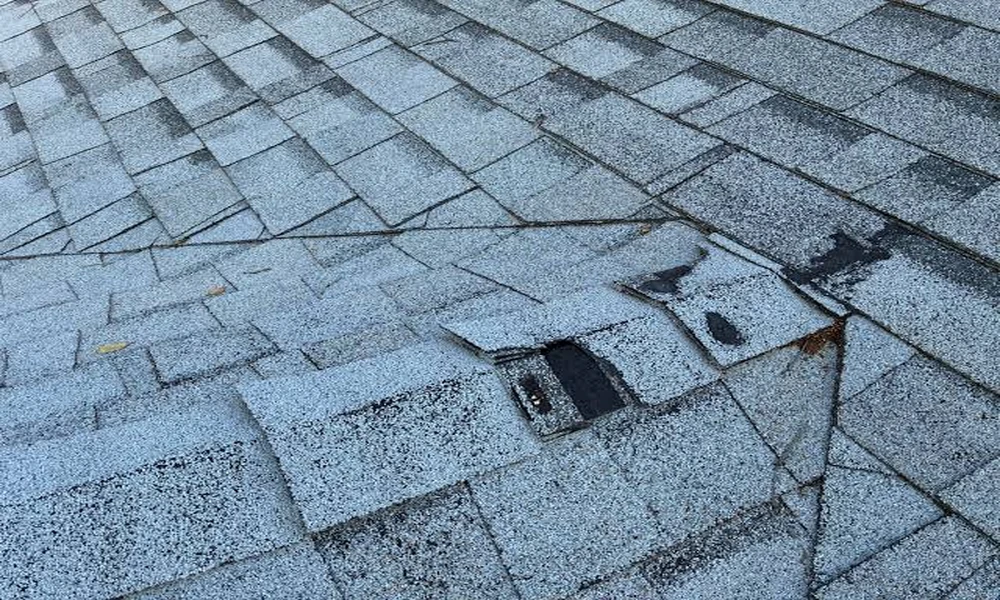
Tile handles small hail fairly well, but large stones crack and break it. The real risk comes later. Each broken tile leaves a patch of underlayment open to direct sun, which ages it much faster, and broken pieces can slide into valleys and block drainage. A tile roof that came through a hailstorm with a dozen cracked pieces can start leaking two summers later, long after anyone connects the leak to the storm. Finding matching replacement tiles also gets harder with time, especially for older clay profiles that are no longer made.
Lifting the Tiles and Laying Them Back
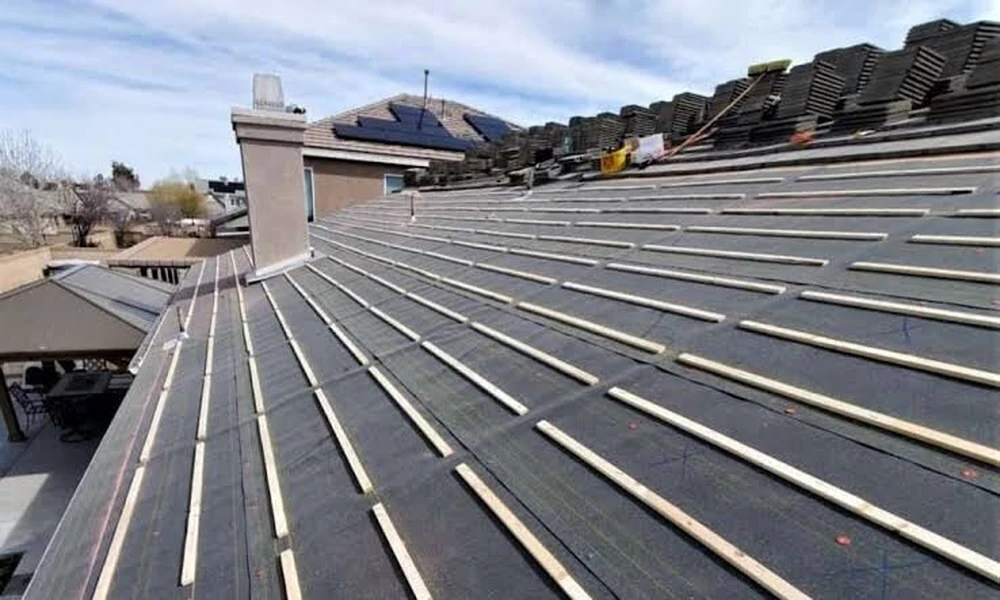
Because the tiles usually outlast the underlayment, the most common fix for an aging tile roof isn’t a full replacement. It’s called a lift and relay, sometimes a lift and reset. The crew takes the tiles off and stacks them on the roof or the ground, strips away the old underlayment, and inspects the bare deck. They replace any rotted sheathing, put down new underlayment, install new valley metal, pipe flashings and eave closures, set new battens where the design uses them, and then put the original tiles back.
Some breakage is normal, since older tiles can be brittle, so experienced crews plan for it and keep salvaged tiles to fill the gaps. Broken pieces from the main roof can be replaced with tiles taken from a less visible slope, like the back of a garage, so the front stays uniform.
A full tear off with new tile makes more sense when the tiles themselves are failing. Older concrete tile can wear down until it soaks up water like a sponge, and clay can flake or crack in layers. If a large share of the roof is in that condition, reusing it just means paying for labor on material that won’t last much longer.
Choosing What Goes Underneath This Time
The underlayment chosen during a relay decides how long until the next one. In this climate, temperature rating matters as much as thickness. A product meant for open attic conditions can soften and stick to the deck when it’s trapped under dark tile in August. Synthetic sheets resist tearing during installation, and self adhering membranes seal around nails, which helps a lot in valleys and low slope areas.
Airflow helps too. Raised batten systems leave a gap that lets heat escape under the tile instead of soaking into the layers below. Keeping heat down in the attic with proper ventilation and a radiant barrier lowers the temperature the whole roof assembly lives at, and over time that slows the aging you can’t see.
Living With a Tile Roof Between Checkups
Day to day, the biggest risk to a tile roof is usually people walking on it. Satellite installers, holiday light hangers and well-meaning relatives crack tiles by stepping in the middle of them instead of near the overlap at the bottom edge. Pressure washing is another common mistake, because it pushes water up under the laps and can wear away the surface of concrete tile.
Keeping valleys clear, trimming branches that rub or drop leaves, and having someone check the roof every couple of years and after any serious hail goes a long way. With the tile above it in good condition, a properly chosen underlayment can last another generation, and the roof can keep looking from the curb like it always has.