Starting a construction or renovation project is exciting, but it comes with a big early decision that many homeowners and business owners overlook: how the project will be organized. The delivery method you choose affects your budget, your timeline, and how much stress you take on from the first sketch to the final walkthrough.
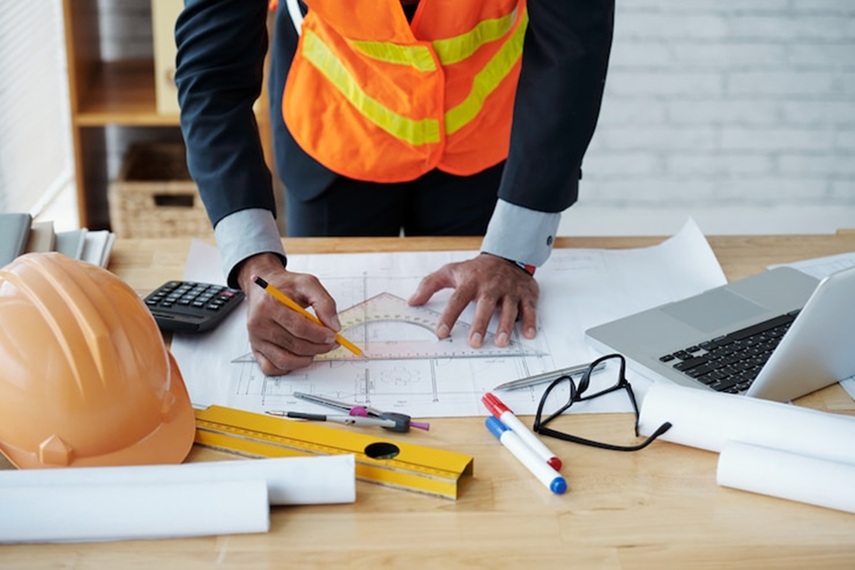
Two approaches dominate the industry. In the traditional method, called design-bid-build, you hire an architect to complete the plans, then collect bids from contractors to build them. In the design-build model, one team handles both design and construction under a single contract. Firms like Traditional Design and Build LLC work in this integrated space, which has grown steadily in residential and commercial construction over the past two decades.
Neither approach is automatically better. The right choice depends on your priorities, your project’s complexity, and how involved you want to be. This guide breaks down how each method works, where each shines, and what to ask before you sign anything.
How Design-Bid-Build Works
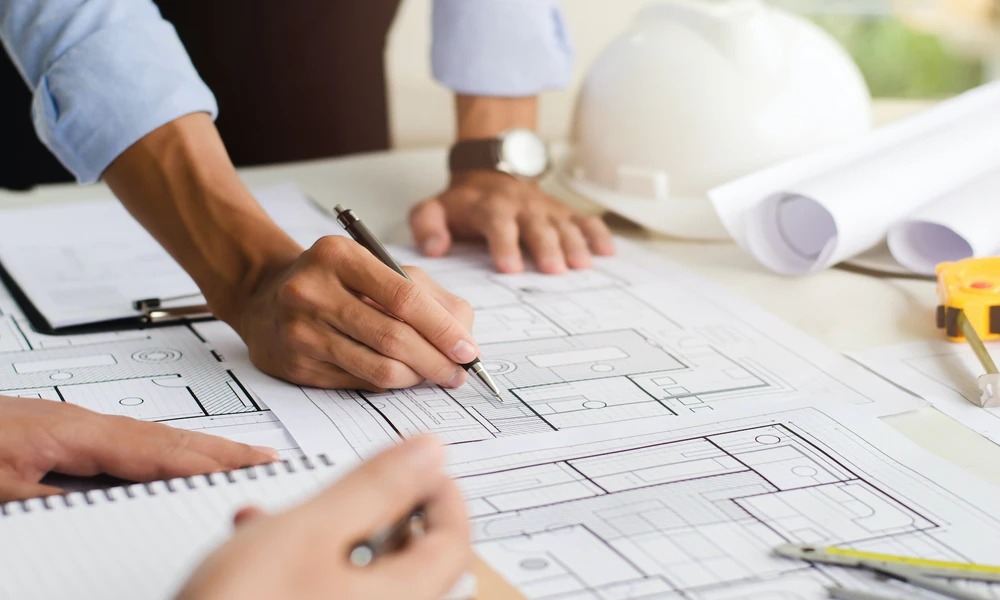
Design-bid-build is the older, more familiar model. It runs in three separate phases:
- Design. You hire an architect or designer who develops detailed drawings and specifications.
- Bid. Contractors review the plans and submit competing prices.
- Build. You select a contractor, usually the lowest qualified bidder, who constructs the project.
The main advantage is clarity. Because the design is complete before bidding begins, you can compare prices on identical plans. The architect also works for you alone, which can provide an independent check on the contractor’s work.
The drawbacks are mostly about time and communication. The phases happen one after another, so the schedule stretches. If bids come in over budget, the design may need revisions, which means more delays and more design fees. And when the architect and contractor are separate parties, disputes over errors or unclear details can fall back on you.
How Design-Build Works
In design-build, designers, estimators, and builders collaborate from the start under one agreement. Instead of handing a finished set of plans to someone else, the team develops the design while testing it against real construction costs and methods.
According to the Design-Build Institute of America, this single-contract structure is intended to create one point of accountability for both design and construction. That matters when something goes wrong. If a detail does not fit or a material is unavailable, there is no finger-pointing between separate firms. The same team must solve it.
The benefits commonly associated with this model include:
- Faster schedules. Design and construction tasks can overlap. Permitting, material ordering, and site preparation may begin while later design details are still being finalized.
- Earlier cost clarity. Because builders contribute during design, budget conversations start sooner and are grounded in real pricing.
- Fewer surprises. Constructability issues are caught on paper rather than on the job site.
- Simpler communication. You deal with one team rather than coordinating several.
The Trade-Offs of Design-Build
Design-build is not without downsides. Because you are not collecting competing bids on a finished design, it can be harder to confirm you are getting the lowest price. Transparency becomes essential, so it helps to ask for itemized estimates and clear allowances for materials and finishes.
You also give up some of the independent oversight that comes with a separate architect. If you value having a design professional whose only job is to represent your interests, you may want to arrange for an outside review of key decisions.
Finally, the model rewards early commitment. Design-build works best when you can describe your goals, budget range, and priorities clearly at the start. If you are still unsure what you want, a longer, more exploratory design phase may suit you better.
Matching the Method to Your Project
A few questions can help point you in the right direction.
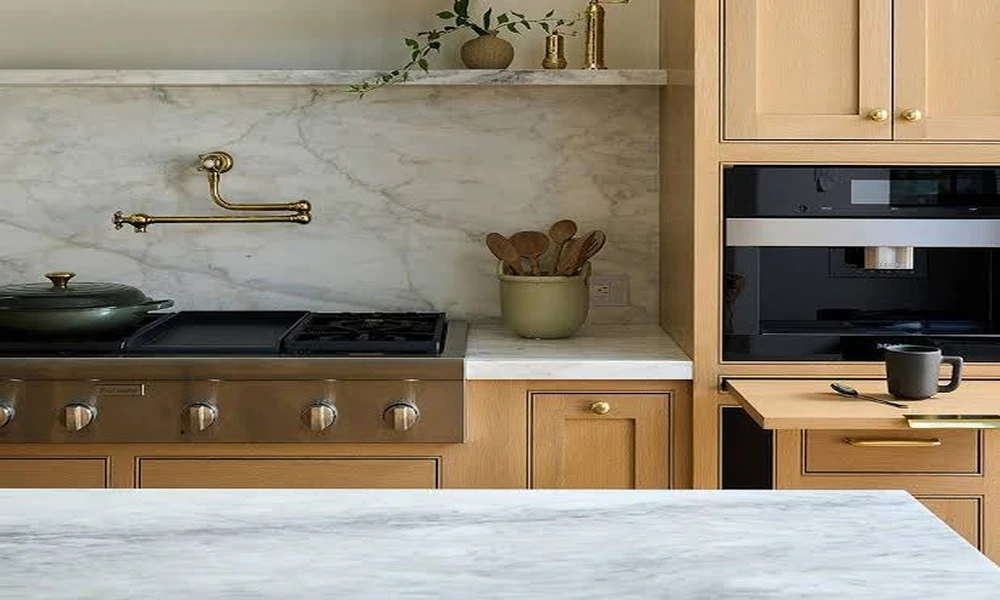
How complex is the project? A kitchen remodel, home addition, or small commercial buildout often benefits from the speed and coordination of design-build. A highly specialized or publicly funded project may have rules or needs that favor a traditional approach.
How firm is your budget? If your budget is tight, early cost feedback from builders can prevent you from falling in love with a design you cannot afford. On the other hand, if price competition is your top priority, formal bidding offers a direct comparison.
How much time do you have? If speed matters, such as when you are relocating a business or working around a rental lease, overlapping phases can save weeks or months.
How involved do you want to be? Some owners enjoy managing details and relationships with several professionals. Others prefer to make major decisions and let a single team handle coordination.
Questions to Ask Before Hiring
Whichever method you choose, due diligence protects you. Consider asking every prospective firm:
- Are you properly licensed and insured in my state?
- Can I see examples of similar completed projects and speak with past clients?
- How will costs, changes, and delays be communicated?
- What does the contract say about change orders and payment schedules?
- Who will be my day-to-day contact?
Industry groups such as the National Association of Home Builders offer consumer resources on hiring professionals, understanding contracts, and planning a renovation. Reviewing them before you interview contractors can help you spot red flags and ask sharper questions.
Planning Tips That Apply to Any Project
Regardless of delivery method, a few habits consistently lead to better outcomes:
- Define your priorities. Decide what matters most, whether it is cost, speed, quality, or a particular look, because you will not be able to maximize all of them.
- Build in a contingency. Setting aside 10 to 20 percent of your budget for unexpected conditions, especially in older buildings, is a common rule of thumb.
- Get everything in writing. Scope, schedule, allowances, and payment terms should all be documented.
- Stay engaged. Even with a single point of contact, regular site visits and prompt decisions keep a project on track.
The Bottom Line
Design-bid-build offers independence and price competition, while design-build offers speed, collaboration, and a single line of responsibility. Each has earned its place, and the best choice is the one that fits your goals, comfort level, and the realities of your project.
Take your time with the decision, compare more than one approach, and talk openly with professionals about how they would structure your job. A well-chosen delivery method will not guarantee a perfect project, but it can remove many of the common headaches along the way.