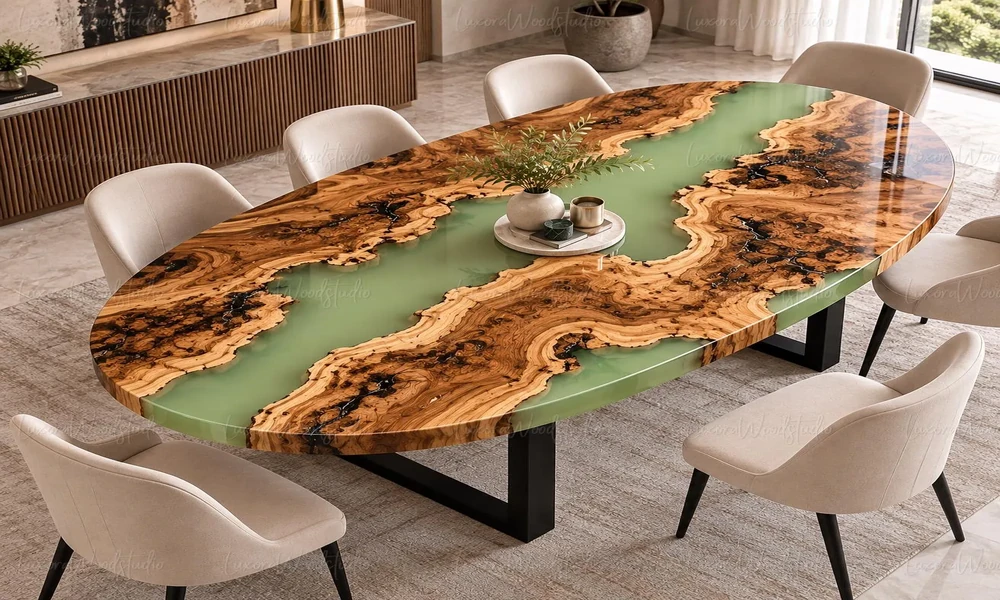
A luxury dining table can be considered the main element of a dining room depending on the materials used, the measurements of the furniture piece, as well as the surface finish. Burled walnut as well as Mappa burl veneers bring a unique array of grains, tones, and natural beauty to modern furniture items. A burl wood veneer dining table can easily become the main accent of the dining room without any complicated ornamentation or forms.
These veneers are perfect for interiors where natural materials have a significant role to play. Depending on the idea of the designer behind the dining space, burl veneers can be used in either darker interiors or in lighter ones with an elegant touch of simplicity.
The Distinctive Character of Walnut and Mappa Burl
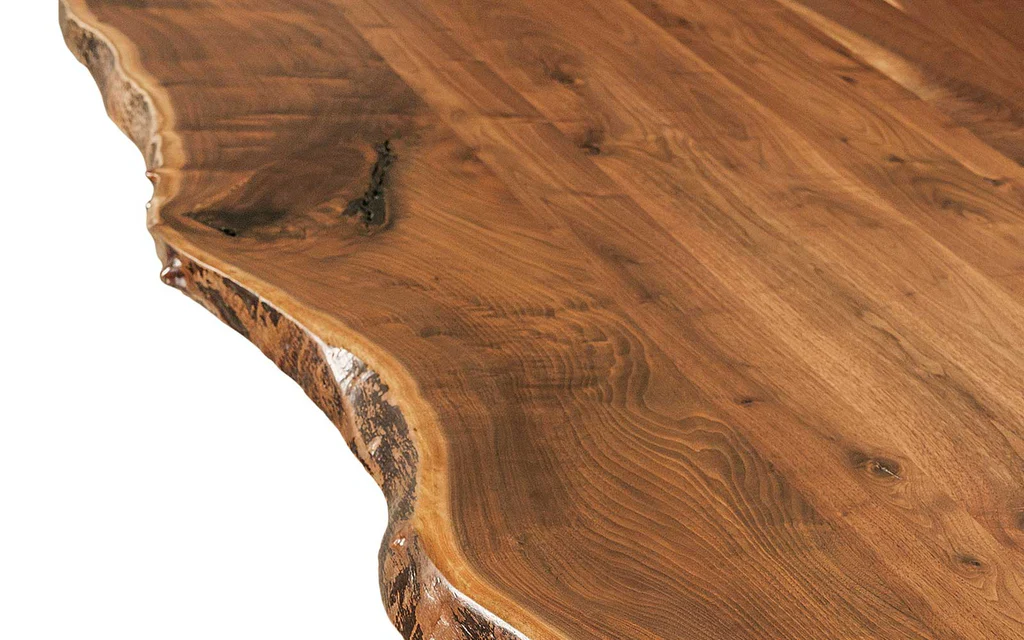
The burl wood is highly appreciated owing to its unique grain pattern. The veneer may even have swirling pieces of wood in the form of whorls or small curls. The uniqueness of the burl wood makes it different from straight-grained wood veneers because burl wood has features unique to each piece of veneer.
Talking about the burl wood veneer, it could be said that walnut burl is always in the shades-of-brown colours from caramel to dark chocolate. The shades of Mappa burl include light beige colours, various tones of honey, and light brown colours. Thus, a mappa burl veneer sheet can be a great complement for the dining room, adding texture to the interior without being too heavy visually.
Choosing the Right Burl for Your Dining Room
Because of its deep hue, walnut burl stands out against light wall and floor materials, whereas its striking grain adds to the sophistication of standard furniture designs. Furthermore, it goes well with spaces that have harmonious combinations of natural materials and delicate finishes.
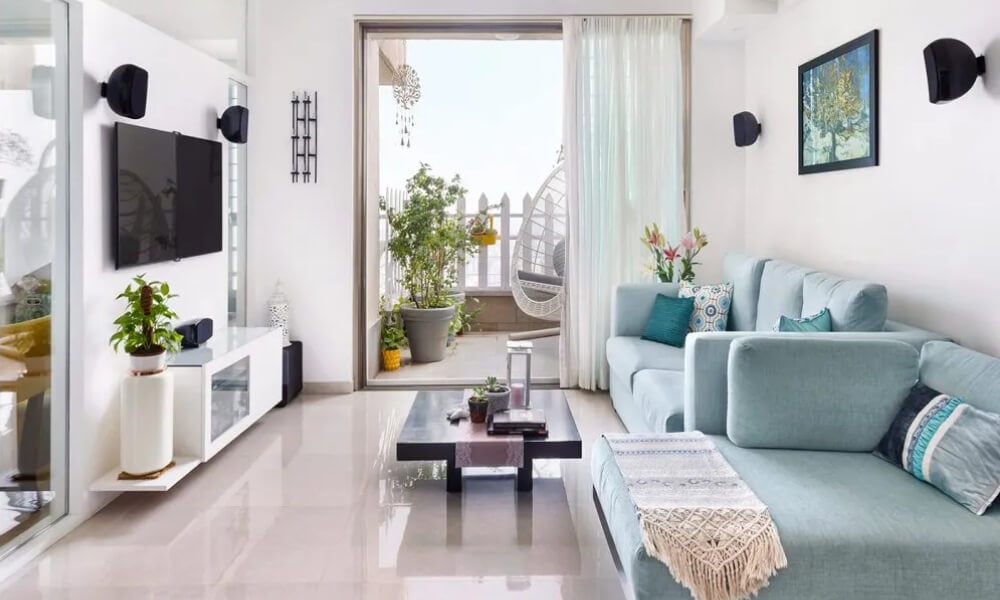
Mappa burl works perfectly with light colours, such as ivory, beige, taupe, light grey, etc. It brings natural patterns into contemporary dining rooms while remaining neat and light. The choice is determined by the materials around, amount of natural light, as well as the necessity for the table to be a separate accent.
Designing the Table Around the Grain
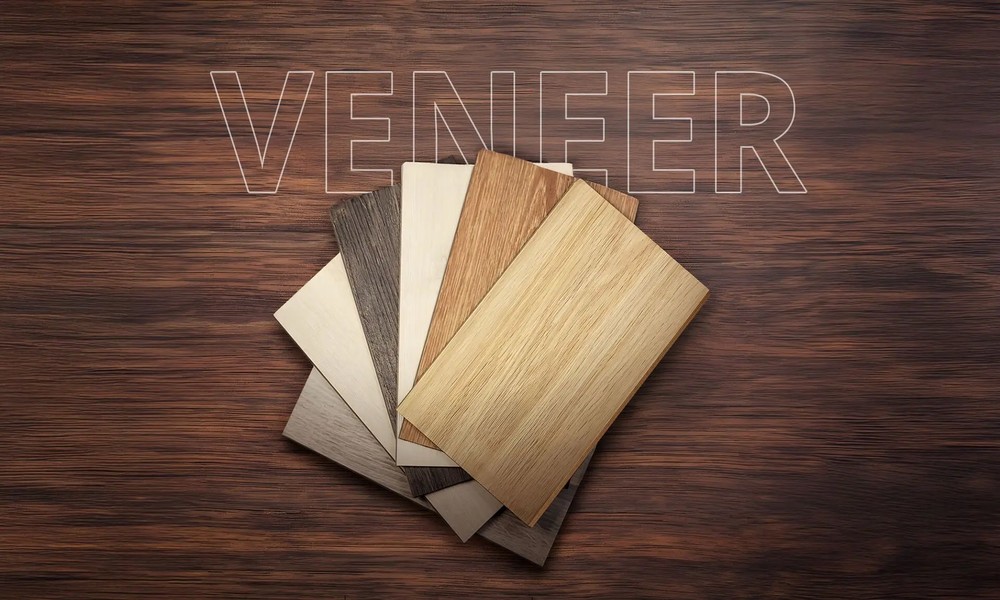
What you see when it comes to a piece of wood with burl veneer is determined by the way veneer slices are put together.Exposed techniques of veneer arrangement, such as book-matching, make it possible to create symmetrical patterns on a tabletop on how to match veneer grain direction across multi-panel furniture to understand book matching, slip matching and random techniques and when each works best for dining tables, wardrobes and wall panels. , while grain direction can help highlight the shape of the object. Rectangular tables allow for complex designs, whereas circular and oval tables will create more harmonious effects.
Luxury walnut burl furniture normally has simple shapes and lacks decorative details so that the wood pattern can serve as a focal point. An exotic grain veneered tabletop can be complemented with a pedestal base or have sharp edges or metal accents. The shape and proportions of the table must match the burl wood pattern as well as the size of the dining room.
Coordinating Colours, Finishes and Materials
That being said, the colour of the burl surface is connected with the finished materials used. High-quality walnut burl can be combined with brass, bronze, dark woods, and neutral upholstery, creating warm colours. The atmosphere is complemented by the presence of Mappa burl wood, in conjunction with the use of lighter stone elements, lighter wood too, cream-colored upholstery, and the use of muted metal elements.
The finish used also has an impact on the surface. The matte and satin finishes create a muted look, while gloss coating has an amplifying effect on the security and stability of colors. By looking at physical samples under actual lighting in the room, one can see how colors will look throughout the day.
Practical Considerations for Burl Veneer Dining Tables
Since dining tables are meant to be used quite often, the way they are made and the way their surfaces are protected is at least as important as the veneer. Take into consideration the following points before choosing a finish:
- Veneer: Examine the layout you want your veneer to take and the grain before you start making it.
- Substrate: Choose the right substrate and finish for your veneer Luxe Veneer collection to understand species options, thickness specifications, grain finishes and protective coatings suited for luxury dining table applications.
- Surface protection: Use a surface finish suitable for such use.
- Edges: Edge profile should match the tabletop.
- Maintenance: Observe the manufacturer’s recommendations to avoid prolonged exposure to moisture or direct heat.
The durability of the dining table is determined not only by the quality of its construction and veneer application, but also by the protective coating.
Styling Burl Veneer as a Dining Room Centrepiece
Mappa burl wood wallpaper can take a central place in the design of a dining room interior. Neutral upholstered chairs of simple shape in a simple style will help the grains in the table to shine, thus focusing attention on the table itself. A dark walnut dining table can look very good in a large-room dining area, while a light Mappa burl table can create an airier feeling.
The theme of using similar wood tones can be used when decorating a sideboard or a console unit. It is important not to overwhelm the room with the use of similar textures; otherwise, the room will feel too cluttered.
Conclusion
Mappa burl and walnut veneers can bring beauty and elegance to any dining table. Both types of veneer have their own advantages, with walnut veneer being warmer and Mappa burl veneer creating that light and mellow effect. The right choice can be that important in creating not only beautiful but also functional tables.