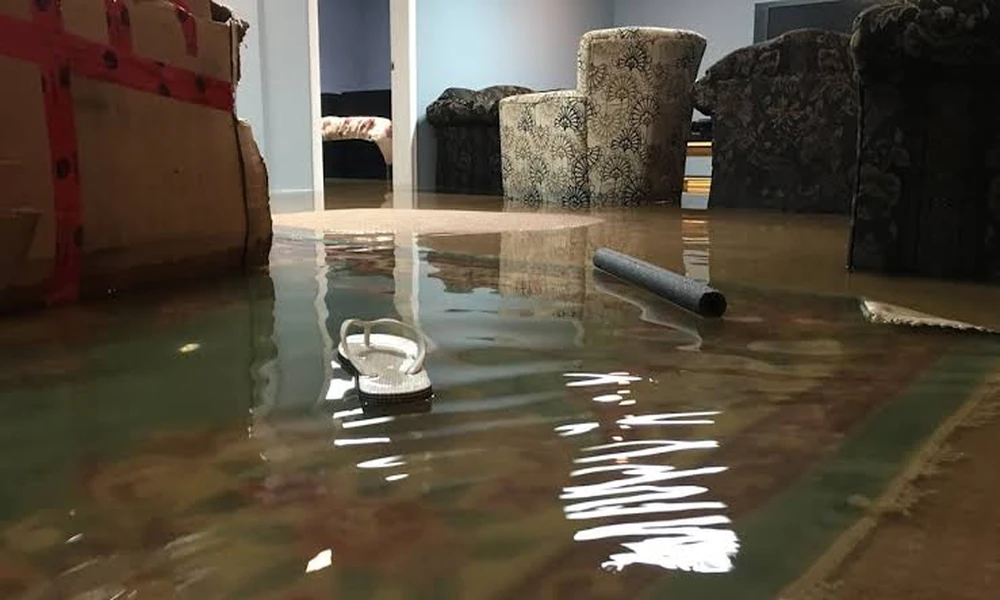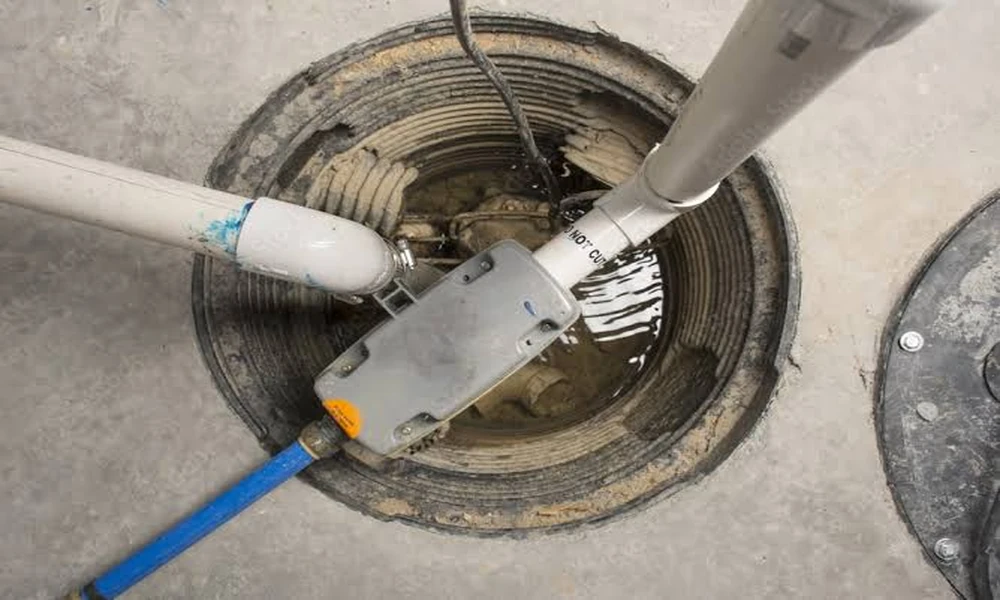
Ask anyone who has stood in two inches of water at the bottom of the basement stairs and they will usually blame the pump. Ask the people who pull those pumps out of flooded pits, though, and the story changes. The motor is often fine. The float hung up on a cord, the battery died two winters ago, the discharge line froze solid near the downspout or the check valve stuck open and let the same water run back in all night.
That pattern matters more in Westchester than in a lot of places. The county mixes hilly northern towns on private wells with dense southern neighborhoods near Long Island Sound, and storms like the remnants of Hurricane Ida showed how fast basements from Mamaroneck to Yonkers can fill when any single part of the system quits.
Homeowners comparing quotes for a Westchester County Ny sump pump installation will notice that careful crews ask about the discharge route and the drains feeding the pit long before they talk about horsepower. The Danbury team behind alldrybasementsystems.com has worked basements across western Connecticut and the Westchester, Putnam and Dutchess area for about fifteen years, and its free inspections look at the whole setup, French drains and dry wells included, instead of treating the job as a box swap.
So it makes sense to look at a sump system the way water actually leaves it, starting at the far end of the pipe and working back toward the hole in the floor.
Where the Water Lands Decides Everything
The last few feet of discharge line cause more trouble than the pump ever does. Water dumped right beside the foundation simply soaks back down into the same soil and returns to the pit, which turns the pump into a machine that moves one bathtub of water in an endless loop. The outlet should release well away from the house onto ground that slopes away, or into a dry well or approved storm connection.
Westchester adds a legal layer. The County Sewer Act prohibits groundwater and stormwater from entering the county trunk sewers, and several Sound shore municipalities have run inspection programs hunting for sump pumps tied into sanitary lines. A pump plumbed into a laundry sink or a floor cleanout may seem tidy, but it pushes clean groundwater into a treatment system that overflows during big storms. In northern towns on septic, the same mistake floods the leach field.
Winter brings its own failure. A discharge line that runs along the surface can freeze shut in January, and the pump keeps running against a blocked pipe until it burns out. Burying the line below the frost depth or adding a freeze relief fitting near the house gives the water a way out even when the outer section is iced over.
The Pipe and the Small Valve Inside It
Between the pump and the outside world sits a check valve, a one way flap that stops the water standing in the vertical pipe from crashing back into the pit every time the pump shuts off. Without it the pump reworks the same water over and over, and short cycling like that wears out motors and switches years early. A tiny relief hole drilled in the pipe between the pump and the valve keeps air from locking the impeller on startup.
Pipe size matters too. Most residential pumps are built for an inch and a half discharge, and stepping that down to a narrower pipe or a garden hose chokes the flow exactly when the pit is filling fastest.
Power Is the Part That Fails in Every Storm
Pumps run on electricity, and Westchester storms reliably take electricity away. A primary pump should sit on its own dedicated circuit with ground fault protection so a tripped breaker elsewhere in the house cannot shut it down unnoticed.
Backup comes in two main forms. Battery systems add a second pump that runs off a deep cycle battery during an outage, and the battery itself usually needs replacing every few years. Water powered backups use city water pressure to drive a venturi and need no battery at all, but they only work on a municipal supply with good pressure. In northern Westchester homes on private wells, the well pump loses power along with everything else, so a battery or a standby generator becomes the only real option. A simple high water alarm, or a connected one that texts a phone, closes the loop by warning someone before the floor gets wet.
The Switch Nobody Thinks About
Ask a technician what actually stops a working pump and many will point to the switch. It is the brain of the system, and it comes in a few common styles.
- Tethered floats swing up on a cord and need a wide pit, since they snag easily on the pipe or the pit wall.
- Vertical floats ride up and down a rod and suit narrower basins, though debris on the rod can make them stick.
- Diaphragm and electronic sensors sit sealed inside or beside the pump and react to water level without any moving arm, which removes the most common snag point.
A pit cluttered with gravel, silt or a sagging power cord gives any switch more ways to fail, which is one reason neat cord management inside the basin is not just cosmetic.
Choosing the Pump Itself
Once everything around it is sound, the pump choice gets easier. Submersible models sit inside the pit, run quieter and handle higher volumes, while pedestal pumps stand above the water and are easier to service but louder and less suited to heavy inflow. Cast iron housings shed motor heat better than plastic ones during long run times.
Horsepower alone means little. The useful number is how many gallons per hour the pump moves at the actual height it has to lift water, which pump makers publish on a performance curve. A basement that takes on groundwater steadily through spring needs very different capacity than one that only sees water after a cloudburst. Most quality pumps last somewhere between seven and ten years, and replacing one on a schedule beats discovering its age during a storm.
The Pit and What Feeds It
The basin should sit at the low point of the basement, ideally where the perimeter drain lines meet, so water arrives there by gravity. A pit that is too small fills in seconds and forces constant cycling. A sealed, bolted lid keeps debris, curious pets and soil gas out of the basement air.
A sump is only as good as the drainage leading to it, though. Without an interior French drain or drain tile along the footing, the pit only catches water from a small circle of floor around it. The InterNACHI sump pump operation and inspection guide offers a clear look at how home inspectors evaluate the full setup, from the basin to the discharge.
Keeping the Whole Chain Honest
Testing takes ten minutes. Pour a few gallons of water slowly into the pit and watch the float rise, the pump start, the water drop and the motor shut off cleanly without the pipe draining back. Then walk outside and look at where that water ended up. Doing this before the fall storms and again before the spring thaw catches most problems while they are still small.
In the end, the pump is usually the toughest part of the system. It is everything around it that decides whether the basement stays dry on the one night it really matters.