How much do gutters cost? The total depends on the length of the roof edges being served, the gutter material and profile, the number and placement of downspouts, access conditions, and whether old gutters or damaged fascia need to be removed or repaired. A simple single-storey home with straightforward rooflines will usually cost less to fit than a multi-storey property with complex corners, difficult access, or drainage problems. For a useful estimate, measure the project and compare itemised quotes rather than relying on one broad price range.
Gutter installation costs typically combine materials, labour, removal and disposal of existing components, downspouts, hangers, end caps, corners, outlets, and any required fascia repairs. Aluminium, vinyl, steel, and copper differ in price, durability, appearance, and maintenance. Local labour rates and access requirements also affect the final quote, so published averages should be treated as starting points rather than a guaranteed price.
At a glance
| Topic | Key point |
| Length | Measure each gutter run |
| Material | Compare durability, finish, and maintenance |
| Drainage | Include downspouts and final discharge |
| Quote | Compare identical scopes and exclusions |
Measure the roofline first
The first step is estimating the total length of eaves that need gutters. A rectangular house may have a straightforward perimeter, while a home with multiple roof levels, porches, bays, and extensions can require many separate runs. Measure each section and note where roof valleys or concentrated runoff discharge onto lower roofs.
Length alone is not enough. The estimate should show how many corners, outlets, end caps, and downspouts are required. A short run with difficult access may cost more per foot than a long, clear run. Ask the contractor to explain the measurement method and whether the quote includes waste and fittings.
Compare common gutter materials
Aluminium is widely used because it is relatively light, resists rusting in ordinary conditions, and is available in multiple colours. Seamless aluminium systems are formed on site to reduce joints along straight runs, although corners and outlets still need connections. Vinyl can have a lower initial price but may become brittle or deform in some climates. Steel offers strength but needs suitable corrosion protection, while copper usually costs more and is chosen partly for its appearance and long service life.
The best material depends on the property and exposure. Coastal conditions, heavy snow, falling branches, intense sun, and the desired appearance can change the decision. Ask for the exact thickness, finish, warranty, and compatible fasteners rather than comparing material names alone.
Seamless versus sectional gutters
Sectional gutters are assembled from shorter lengths joined together. They can be convenient for smaller projects and some repairs, but every joint is a potential maintenance point. Seamless gutters are usually made to the measured length at the property, reducing seams along straight sections. They require suitable equipment and installation expertise, and they are not completely joint-free because corners and outlets still need detailing.
Ask how the chosen system will be joined at corners and connected to downspouts. The quality of mitres, sealants, hangers, and alignment matters as much as whether the straight runs are seamless. A low quote that omits essential fittings may not be comparable to a complete installation price.
Downspouts and drainage routing
Downspouts carry collected water away from the roof and toward a suitable discharge point. Their number and location should reflect roof area, rainfall, gutter capacity, and the shape of the building. Long horizontal offsets, underground drains, decorative leaders, or difficult connections can add labour and materials.
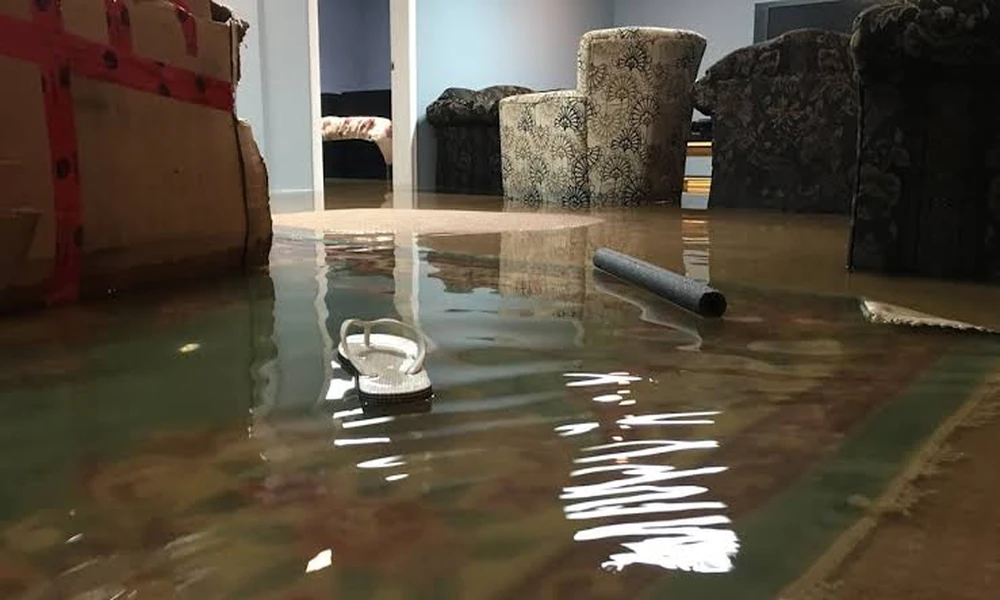
Water should not simply be dumped beside the foundation. Poor discharge can contribute to erosion, damp basements, staining, or settlement-related concerns. The quote should describe where each downspout will end and whether extensions, splash blocks, buried piping, or drainage improvements are included.
Roof complexity and building height
A single-storey house with open access is usually easier to work on than a tall building with steep roof slopes, narrow side passages, landscaping obstacles, or limited ladder placement. Extra height can require scaffolding, lifts, safety equipment, and more labour. Roofs with many corners also require more cutting and fitting.
When comparing bids, check whether access equipment is included. If one contractor assumes ladder access and another includes scaffolding, their prices may differ for a reason. Safety should not be sacrificed to reduce the initial quote.
Removal and hidden repairs
Replacing old gutters can include removing the existing system, disposing of debris, and addressing damaged fascia, soffit edges, or roof trim. Once old hangers come off, rot or previous water damage may become visible. Some quotes include a defined allowance for minor repairs; others price them separately after inspection.
Ask how unexpected damage will be documented and approved. A written change order with photographs, scope, and cost is preferable to a surprise invoice. If the fascia is soft or badly deteriorated, simply attaching new gutters may not provide a durable result.
Gutter size, shape, and capacity
Common profiles include K-style and half-round designs, but availability and performance vary by market. Larger gutters and downspouts may be appropriate where roof area or rainfall intensity is high. The correct capacity should be selected using local conditions and the roof’s drainage layout rather than choosing the smallest system by default.
A gutter that is too small can overflow during heavy rain even when it is installed correctly. Conversely, oversized components may add cost without meaningful benefit if the roof area and drainage conditions do not require them. Ask the installer how the selected size was determined.
Gutter guards and accessories
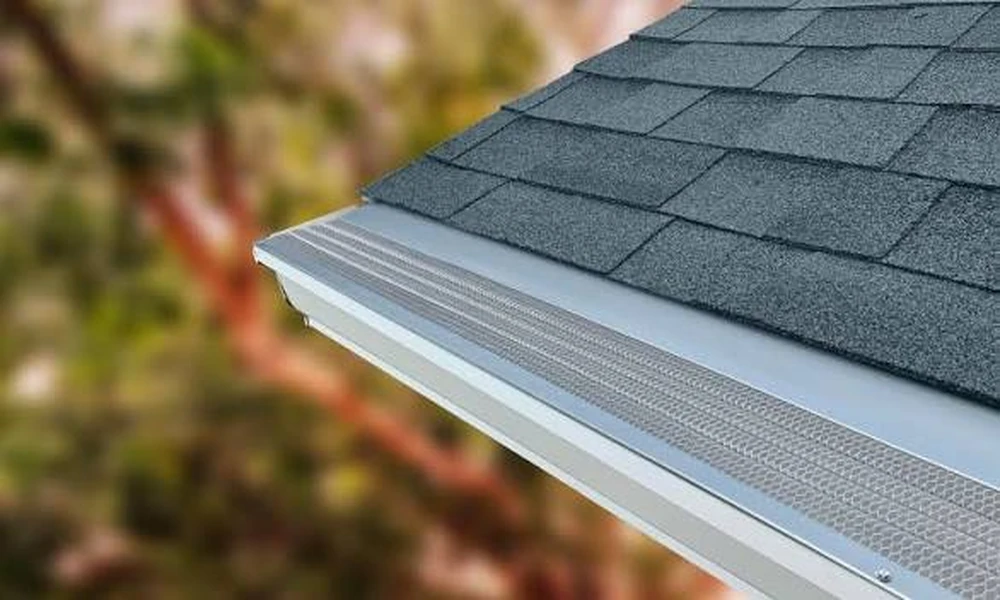
Guards can reduce the amount of leaves and debris entering gutters, but they do not eliminate maintenance. Their performance varies with the type of debris, roof angle, rainfall, and product design. Some systems handle large leaves well but struggle with fine needles or roof grit. Guards can also complicate cleaning if access is difficult.
Compare the cost of the guard, installation, cleaning access, and warranty conditions. Other extras may include leaf diverters, rain chains, decorative downspouts, heat cables, or underground drainage. Separate these options from the basic gutter price so you can decide which solve a real problem.
Labour, season, and local pricing
Labour rates vary by region, contractor workload, insurance costs, and project complexity. A period of heavy storm damage can increase demand and lengthen scheduling. Weather can also affect installation, particularly when access surfaces are wet or icy. These factors mean two properties with similar measurements may receive different quotes.
If timing is flexible, ask about the contractor’s schedule, but avoid choosing solely on the lowest price. Confirm insurance, relevant licensing where required, references, and the scope of the workmanship warranty. A clear quote helps prevent misunderstandings about what is and is not included.
How to compare quotes fairly
Request at least two or three itemised estimates when practical. Each should state the gutter material and profile, approximate length, downspout count, fittings, removal, disposal, access equipment, and any repairs or guards. Check whether taxes and delivery are included and whether the contractor will protect landscaping during the work.
Ask each bidder to use the same scope. One quote may include new fascia, while another assumes the existing boards are sound; one may include buried drainage and another may stop at the wall. Standardising the scope makes price differences easier to understand.
Ways to manage the budget
You can manage costs by prioritising the runs that protect vulnerable areas, choosing a practical finish, and avoiding decorative extras that do not address a drainage need. Combining work with other exterior repairs may reduce repeated mobilisation, though only if the schedule and trades can be coordinated effectively.
Do not economise by removing necessary downspouts, using unsuitable fasteners, or accepting poor slope. The purpose of the system is to move water away from the building reliably. A small saving on installation can be outweighed by damage to siding, foundations, landscaping, or interior finishes.
Signs the current system needs replacement
Persistent leaks at joints, widespread corrosion, sagging runs, repeated overflow, detached hangers, and water staining below the eaves may indicate that repairs are no longer sufficient. A single damaged section can often be repaired, but recurring problems across the property deserve a broader inspection.
Before replacing everything, ask whether the problem is the gutter itself, a blocked outlet, incorrect slope, undersized downspouts, or a roof drainage issue. Correct diagnosis prevents paying for a new system that repeats the same performance problem.
Frequently asked questions
Is gutter pricing based on length? Length is a major factor, but material, fittings, downspouts, height, removal, access, and repairs also affect the total.
Are seamless gutters always better? They reduce joints along straight runs, but installation quality and proper drainage remain essential.
Do gutter guards mean no cleaning? No. Guards can reduce debris entry, but inspection and occasional cleaning are still necessary.
Should I repair or replace? The decision depends on the extent of damage, age, recurring leaks, capacity, and the cost of correcting the underlying problem.
Practical checklist
- Measure all runs and note corners and outlets.
- Specify material, profile, and downspout arrangement.
- Clarify removal, disposal, access, and repair allowances.
- Compare quotes against the same written scope.
- Check discharge points and future maintenance access.
How to read an estimate
A professional estimate should make it possible to understand what you are paying for without needing to interpret vague descriptions. Look for the quantity and type of gutter, the number of downspouts, the fittings included, the removal method, and the proposed discharge arrangement. If the quote lists only a lump sum, request a breakdown before deciding.
Also ask what could change the final price. Hidden fascia damage, unusual access, or a drainage connection that cannot be reused may affect the scope. A contractor should explain how additional work will be approved and priced, so a necessary repair does not become an unexpected dispute.