Bend the corner of a brand new asphalt shingle and it flexes like a thick rubber mat. Try the same thing on a roof that has spent twelve summers under the Georgia sun and the shingle may snap in your hand. Nothing dramatic happened to that roof. No hailstone hit it and no limb fell on it. It simply lost the oils that kept the asphalt supple, one hot afternoon at a time.
That slow drying is the reason roof rejuvenation has become a regular line on estimates across Northwest Georgia. Homeowners in Rome and the surrounding counties who call Camco Roofing Services can have aging shingles treated with a plant-based oil instead of torn off, and the treatment usually runs somewhere between 15 and 30 percent of what a full replacement would cost. Whether it makes sense for a particular house depends on what kind of tired the roof actually is.
Where the Oil Goes
An asphalt shingle is a fiberglass mat soaked in asphalt and topped with ceramic-coated granules. The asphalt holds lighter oils that keep it flexible, and those oils are what the sun goes after. Ultraviolet light oxidizes them from above while a hot attic bakes the shingle from below. In a poorly ventilated attic during a Rome July, the underside of the roof deck runs far hotter than the air outside.
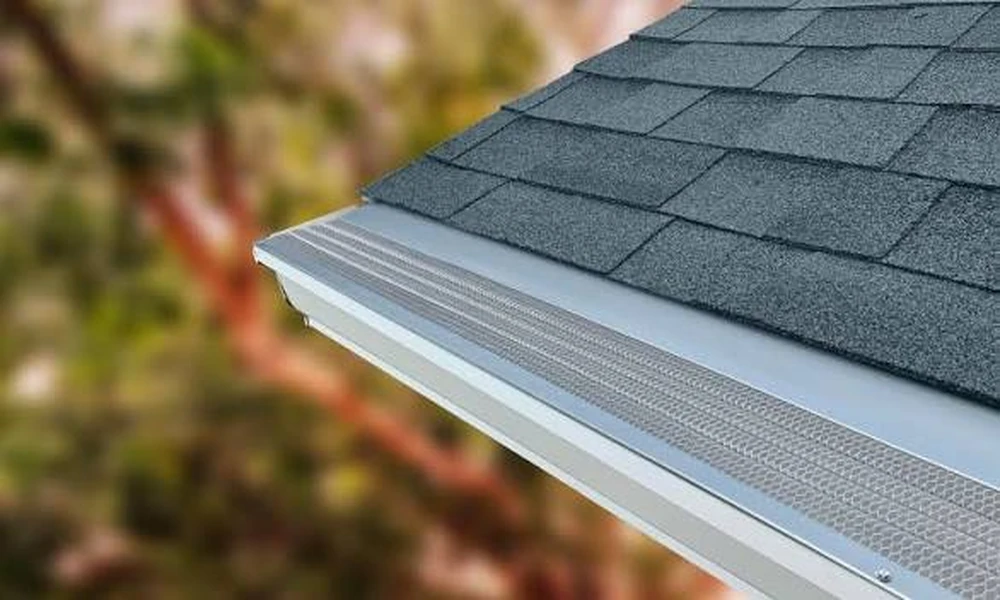
As the oils leave, the asphalt hardens and shrinks. Granules lose their grip and wash into the gutters. Once those granules are gone, the asphalt underneath takes even more direct sunlight, so the drying speeds up. The shingle also stops expanding and contracting smoothly with daily temperature swings, and that is when hairline cracks appear.
There is another factor many homeowners never hear about. A Minnesota study on rejuvenators included an insurance adjuster’s observation that shingle manufacturers have used less asphalt and lower oil content over roughly the last two decades. If that holds true for your roof, it may be drying out sooner than the age on the paperwork suggests.
What the Treatment Puts Back
Most rejuvenators on the market are built on soybean oil, specifically a milky soy methyl ester emulsion. Research partners including Ohio State University and Battelle helped develop one of the earliest formulas. Sprayed across the roof, it soaks into the asphalt layer, often within an hour, and replaces some of the oil the weather has taken. Shingles regain flexibility and hold their remaining granules more tightly. Several products carry USDA certification as bio-based, which matters to anyone worried about runoff into flower beds or a vegetable garden.
Being clear about the limits matters just as much. Oil cannot glue lost granules back on. It will not turn a thin three-tab shingle into a thicker architectural one, and it does nothing for a cracked pipe boot or a lifted piece of flashing.
Reading a Roof From the Driveway
Age is the first filter. Minnesota’s Agricultural Utilization Research Institute places the treatment window at shingles roughly five to twenty years old, and many Georgia roofs showing early wear fall somewhere between eight and fifteen. Within that range, the clues are fairly easy to spot. Sandy grit collects at the bottom of downspouts. The color looks chalky or washed out compared with the neighbor’s newer roof. A loose shingle found in the yard after a storm feels stiff rather than bendable.
Those are signs of a roof that is dry but still whole, and that is the roof rejuvenation is designed for. The industry research also notes that shingles with curled or cracked edges often do not qualify at all.
When Oil Arrives Too Late
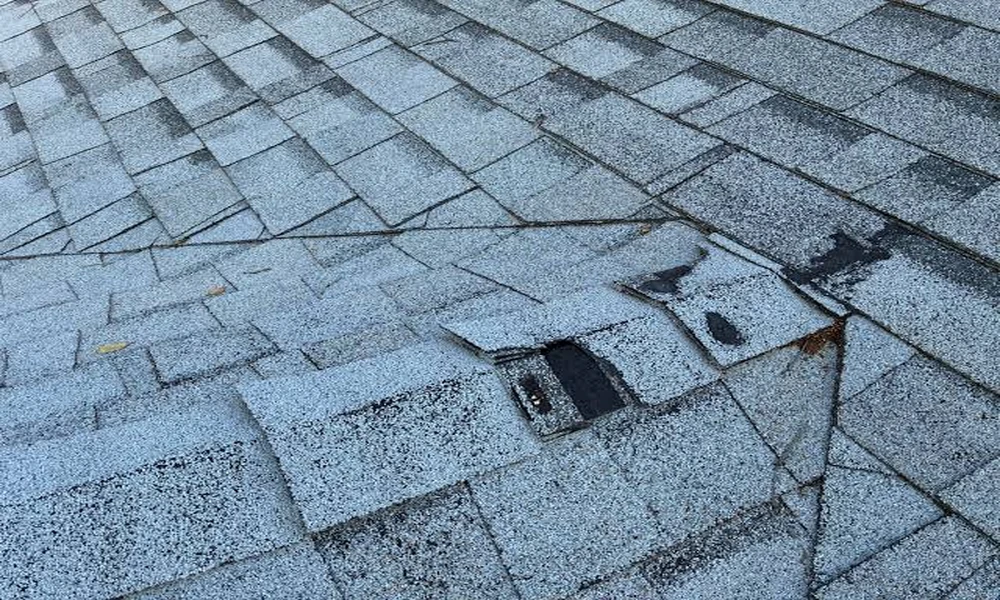
Some roofs are past the point where moisture helps. Tabs that have cracked straight through, corners cupped upward like potato chips, bald patches where the black mat shows, and missing shingles all point toward replacement. So does a deck that feels spongy underfoot or a ceiling with stains in more than one room. Hail bruising is its own category, since a dented mat stays dented regardless of how much oil it absorbs.
Black streaks deserve a separate mention. In humid North Georgia, those streaks are usually algae, and while they look alarming they are mostly a cosmetic issue. Rejuvenation is not the remedy for them, so a contractor who pitches oil as a streak cure is selling the wrong fix.
Questions to Settle Before Anyone Climbs a Ladder
A careful applicator will welcome these questions instead of brushing them aside.
- Will the roof and attic be inspected and photographed before treatment, so you have a record of its condition?
- What exactly does the warranty promise, how long does it last, and does it transfer if you sell the house?
- Could treatment affect the original shingle manufacturer’s warranty? Applicators in the Minnesota study listed this as a common concern among homeowners.
- Which repairs, such as pipe boots, flashing or nail pops, must happen first, and are they priced separately?
- How many treatments can this roof realistically take over its remaining life?
The answers tell you as much about the contractor as they do about the roof.
Doing the Math Over a Decade
Suppose a replacement quote lands at $15,000. A treatment in the 15 to 30 percent range would cost roughly $2,250 to $4,500. Products commonly carry warranties of around five or six years, so the real value lies in delay. Pushing a five-figure expense back by several years keeps that money working elsewhere and lets you schedule the eventual tear-off on your own terms instead of after a midnight leak.
The math falls apart on a roof that needed replacing within a year or two anyway, because the treatment money simply disappears. Insurance is the other wrinkle. Older roofs damaged by weather often receive depreciated payouts based on age, and insurers generally date a roof by its installation. Ask your agent how a treated roof is viewed before assuming the policy will see it differently.
Fitting It Into a Georgia Year
Spring brings the storm season, and summer brings the heat that does the real damage. Fall is usually the friendliest window for a treatment, with drier days and milder temperatures. The roof needs to be dry when the product goes on, with no rain for a stretch afterward, and North Georgia’s pop-up afternoon storms can make July scheduling tricky. Clearing the gutters at the same time makes sense, since that is where granule loss shows up first and where you can watch for it in later seasons.
The Pile That Never Reaches the Landfill
The Asphalt Roofing Manufacturers Association estimates that about four out of five American homes wear asphalt shingles, and every tear-off sends tons of them to the dump. Ohio State researchers calculated that if just one percent of single-family homes treated their roofs each year instead of replacing them, billions of pounds of shingle waste would stay out of landfills.
That benefit is real, but the decision still comes down to the roof itself. A dry roof that is otherwise sound is a strong candidate for a few more years of service. A broken one needs new shingles, and no amount of soybean oil will change that. The bend test in your hand is a good place to start figuring out which roof you have.